The Ultimate Guide to Choosing Durable Fencing Materials for Your Climate Jun 10, 2026
Understanding your local climate is the first step in making a smart fencing choice. Are you in a region that experiences harsh winters with heavy snow and ice? Or perhaps you're in a warmer climate with prolonged sun exposure and seasonal rains? Each climate has unique demands that can affect the longevity and maintenance of your fence.
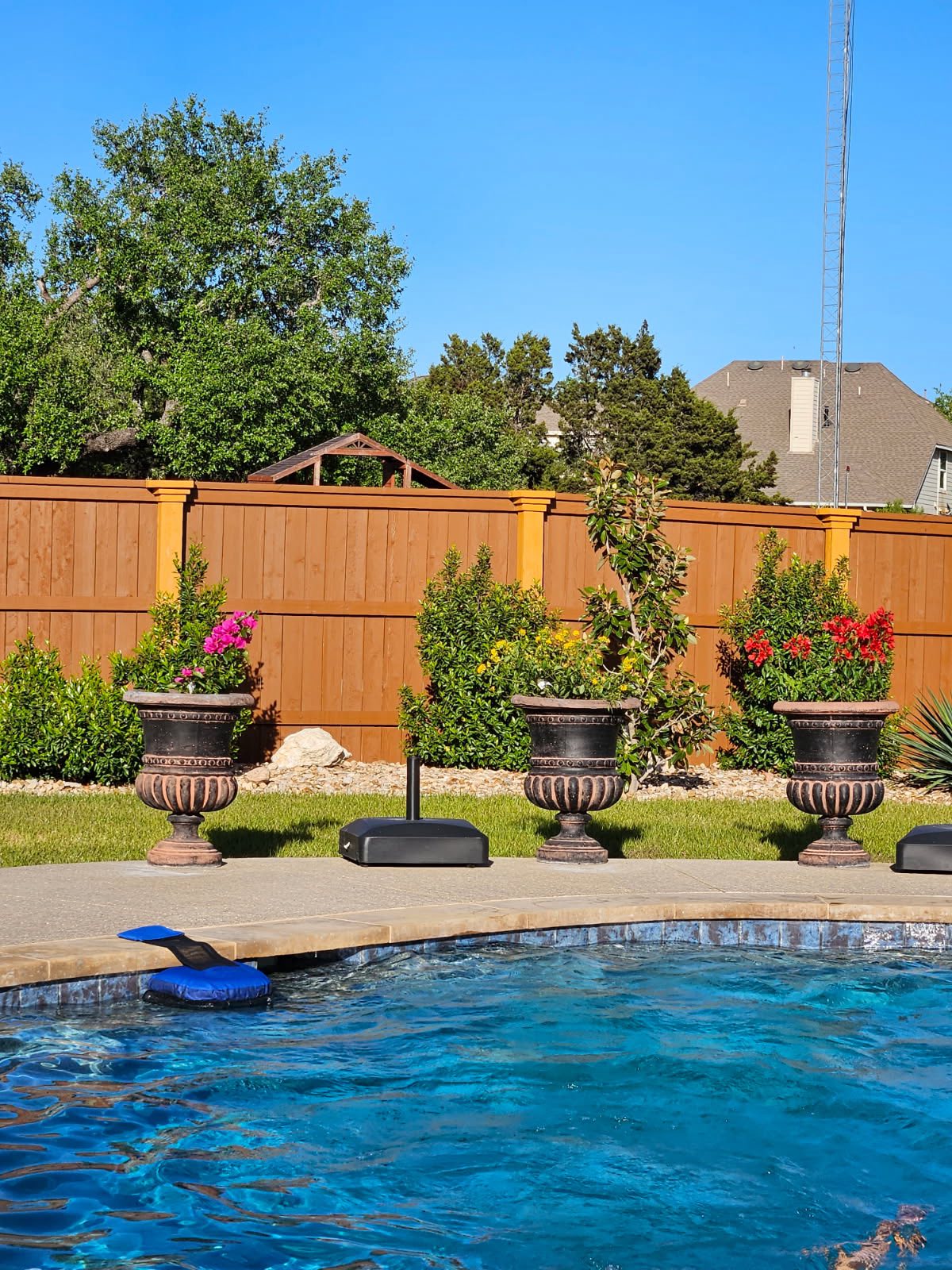
One popular option is wood fencing, which offers a classic, natural look and can be customized easily. For those in wetter climates, Cedar and Redwood are standout choices due to their natural resistance to rot and insects. However, they will require periodic treatments or staining to maintain their beauty and structural integrity. In contrast, regions with hot, dry climates can consider hardwoods like Teak, which is naturally oily and withstands sun exposure without warping.
Vinyl fencing is an excellent option for those seeking a low-maintenance solution. Made from polyvinyl chloride (PVC), vinyl fences are impervious to pests and rot. They work well in varied climates, including extreme temperatures, be it heat or cold. Additionally, they’re available in many styles and colors, leading to impactful curb appeal without the need for painting or staining.
A metal fence is another durable option, widely favored in areas prone to high winds or heavy snowfall, given its strength and stability. Consider aluminum fencing if rust is a concern, as it holds up well in wet conditions without corroding. Steel is another robust option, known for its enhanced security features, though it requires a protective coating to guard against rust in humid climates.
Composite fencing can be ideal if you're looking for an option that combines the aesthetics of wood with the maintenance ease of vinyl. Made from recycled wood fibers and plastic, composite fences are designed to resist fading, warping, and insects. This material is particularly well-suited for climates with significant temperature fluctuations or high UV exposure.
Finally, when choosing the best material for your fencing project, consider your long-term goals and maintenance preferences. While some materials may have a higher upfront cost, their durability in your specific climate may offer a more economical solution over time. Material selection is not just about cost; it's an investment in the future security and aesthetic of your home.
In conclusion, understanding your climate's demands and exploring your available options can guide you to the perfect fencing solution. As experts in fencing materials, Westside Fence and Stain can provide expert advice tailored to your unique climate conditions. Whether you prioritize ease of maintenance or the timeless appeal of natural wood, we’re here to help you find a durable, attractive solution that stands the test of time. Transform your perimeter with a fence material designed to thrive in your environment, and enjoy the peace of mind that comes from a well-made choice.
/filters:no_upscale()/filters:format(webp)/media/364feb12-ade7-405b-b41c-072f9ca3c05c.jpeg)